
About
I am an Associate Professor of Economics at Stanford Graduate School of Business. I am also a Faculty Research Fellow at the National Bureau of Economic Research and the Stanford Institute for Economic Policy Research.
My research applies Industrial Organization principles to examine market frictions including risk sharing, congestion and information asymmetries across policy settings including urban development, insurance and online news.
Publications

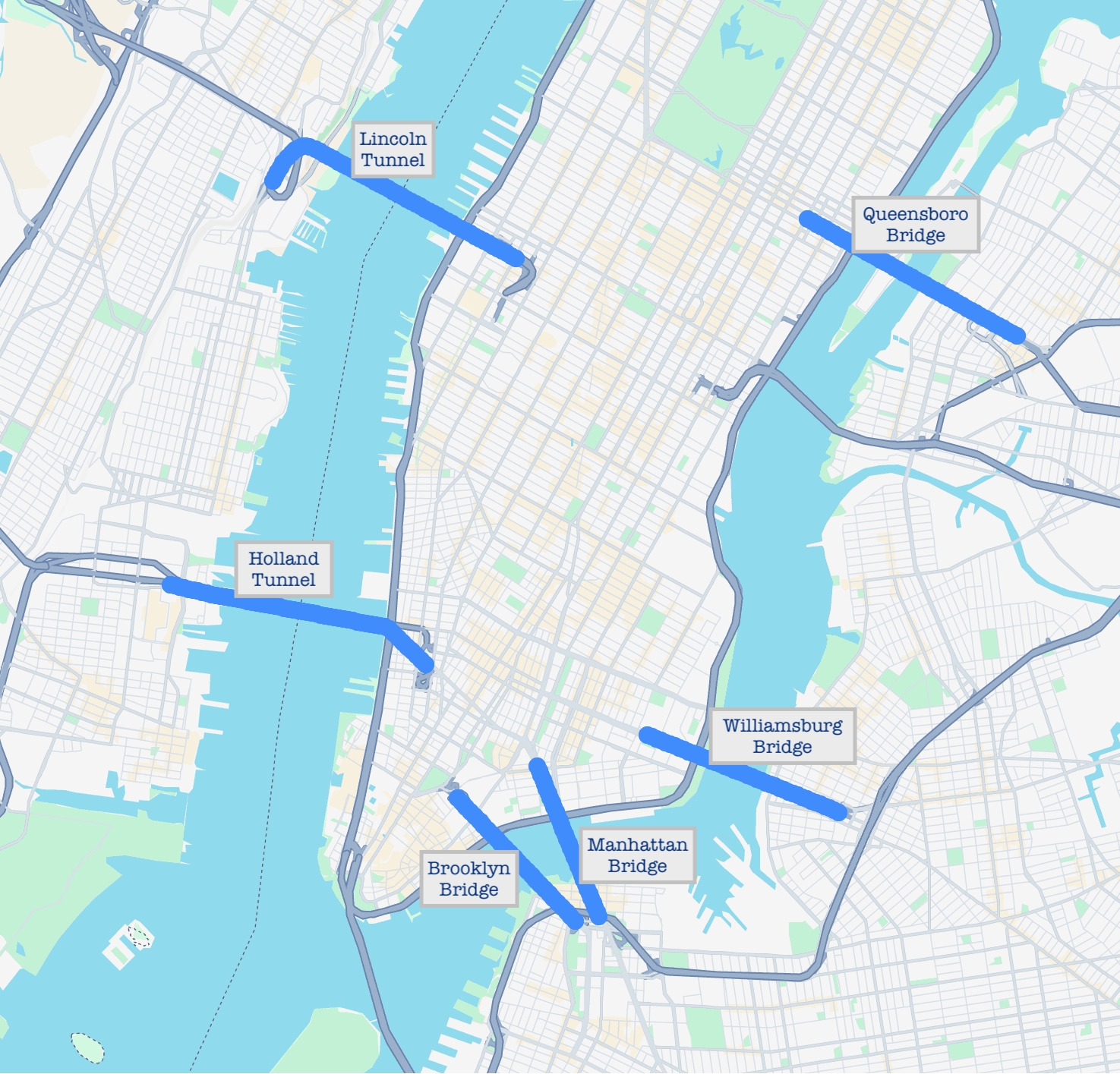
Scaling Auctions as Insurance: A Case Study in Infrastructure Procurement
Econometrica 91.4 (2023): 1205-1259



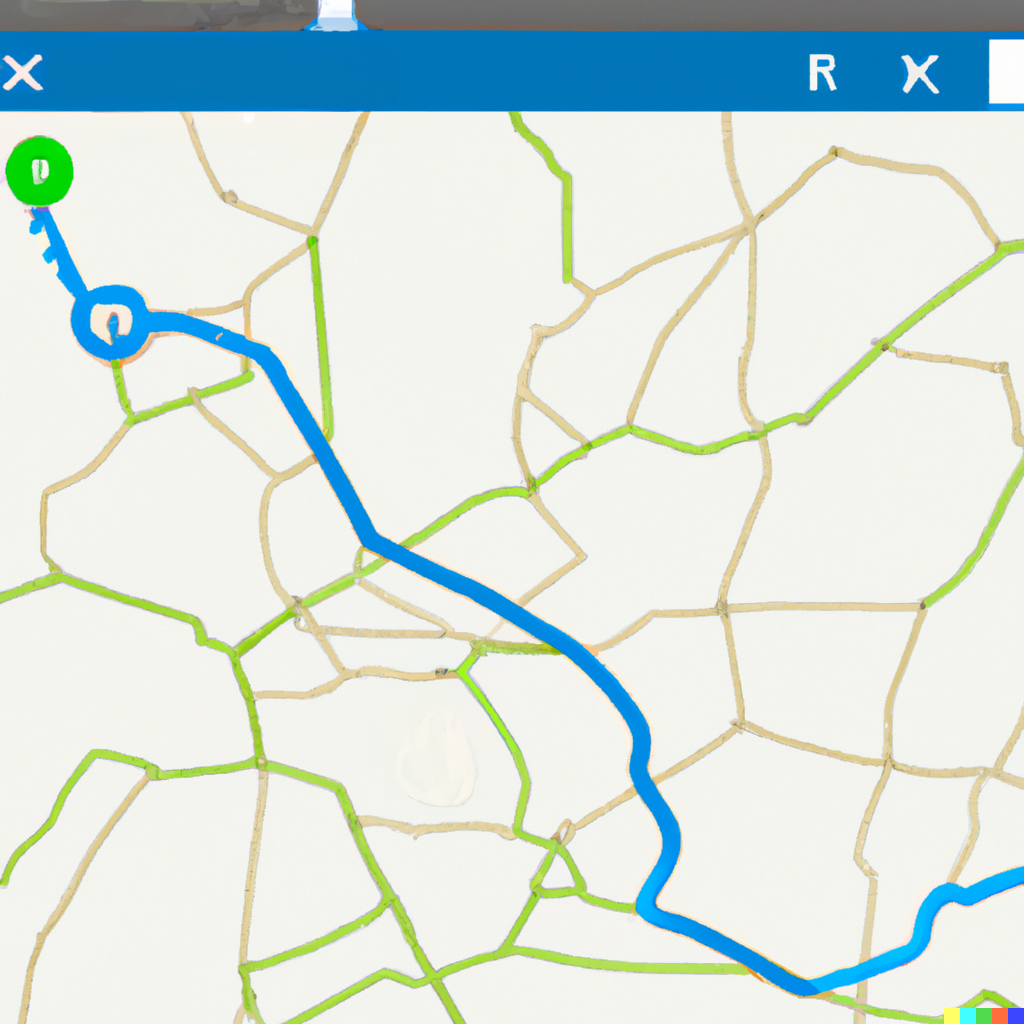
Implementing the Wisdom of Waze
Proceedings of the 24th International Conference on Artificial Intelligence (IJCAI'15)
Working Papers

Buying Data from Consumers: The Impact of Monitoring in US Auto Insurance

What Do News Readers Want?
Working Paper

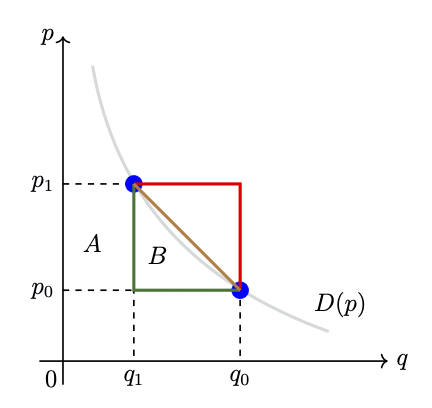
Can Usage Based Pricing Reduce Congestion?
Working Paper


Bargaining and International Reference Pricing in the Pharmaceutical Industry
Surveys, Resting Papers, Tutorials and Other Writings

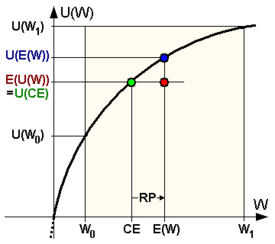
Risk Aversion and Auction Design: Theoretical and Empirical Evidence
International Journal of Industrial Organization (2021): 102758

Socioeconomic Network Heterogeneity and Pandemic Policy Response
Teaching
ECON 260: Industrial Organization III
Course combines individual meetings and student presentations, with an aim of initiating dissertation research in industrial organization.
Prerequisites: ECON 257, ECON 258
Note: Non-Economics PhD students need instructor consent
OIT 274: Data and Decisions - Base (Flipped Classroom)
Base Data and Decisions is a first-year MBA course in statistics and regression analysis. The course is taught using a flipped classroom model that combines extensive online materials with a lab-based classroom approach. Traditional lecture content will be learned through online videos, simulations, and exercises, while time spent in the classroom will be discussions, problem solving, or computer lab sessions. Content covered includes basic probability, sampling techniques, hypothesis testing, t-tests, linear regression, and simple machine learning / prediction models. The group regression project is a key component of the course, and all students will learn the statistical software package R and use the AI tools Copilot and ChatGPT.
Contact
Stanford Graduate School of Business
655 Knight Way
Stanford, CA 94305
Email: svass@stanford.edu
Faculty Assistant:
Patricia Sonora: sonorap@stanford.edu
 Stanford GSB Faculty Profile
 Google Scholar
 GitHub
 X (Twitter)
 Bluesky